
Build your perfect leg bag kit...
Welcome to our simple guide to leg bags. Helping you feel confident choosing the one that’s right for you.
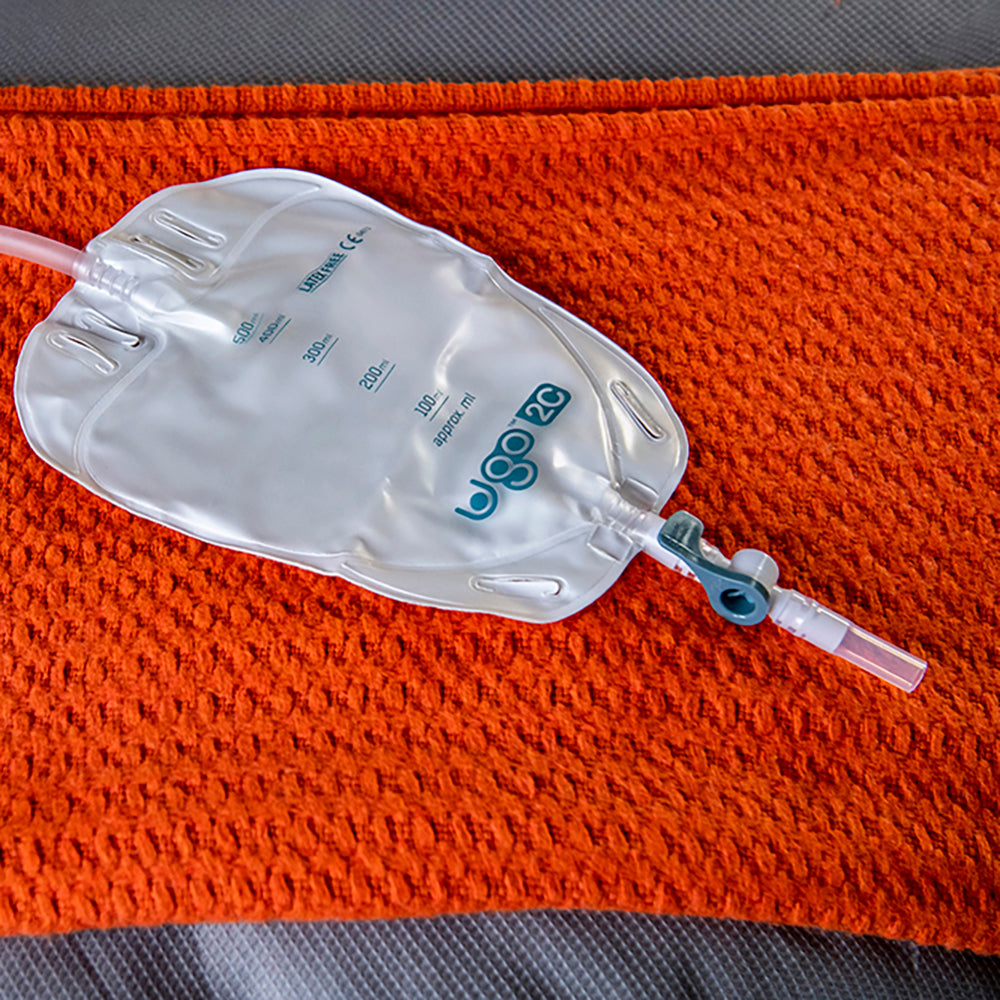
Leg bags come in different sizes to accommodate various needs. Common sizes are 350ml, 500ml and 750ml for daytime use. Learn the advantages and disadvantages of each size...
350ml - A compact, discreet leg bag ideal for wearing higher on the thigh. Its smaller size makes it comfortable and easier to conceal under shorts or skirts, making it a good choice if you live a more active lifestyle, but, it does need to be emptied more frequently.
500ml - A balanced option, offering both capacity and comfort. It’s suitable for everyday use and can be worn on the thigh or calf without feeling too bulky. However, it’s slightly less discreet under tighter clothing compared to smaller sizes.
750ml - A larger leg bag ideal for users who require longer wear time and reduce the amount of time spent draining. It’s practical for overnight use or when access to a toilet is limited. However, the added capacity makes it bulkier, heavier and less discreet under clothing.
What are they and why are they used?
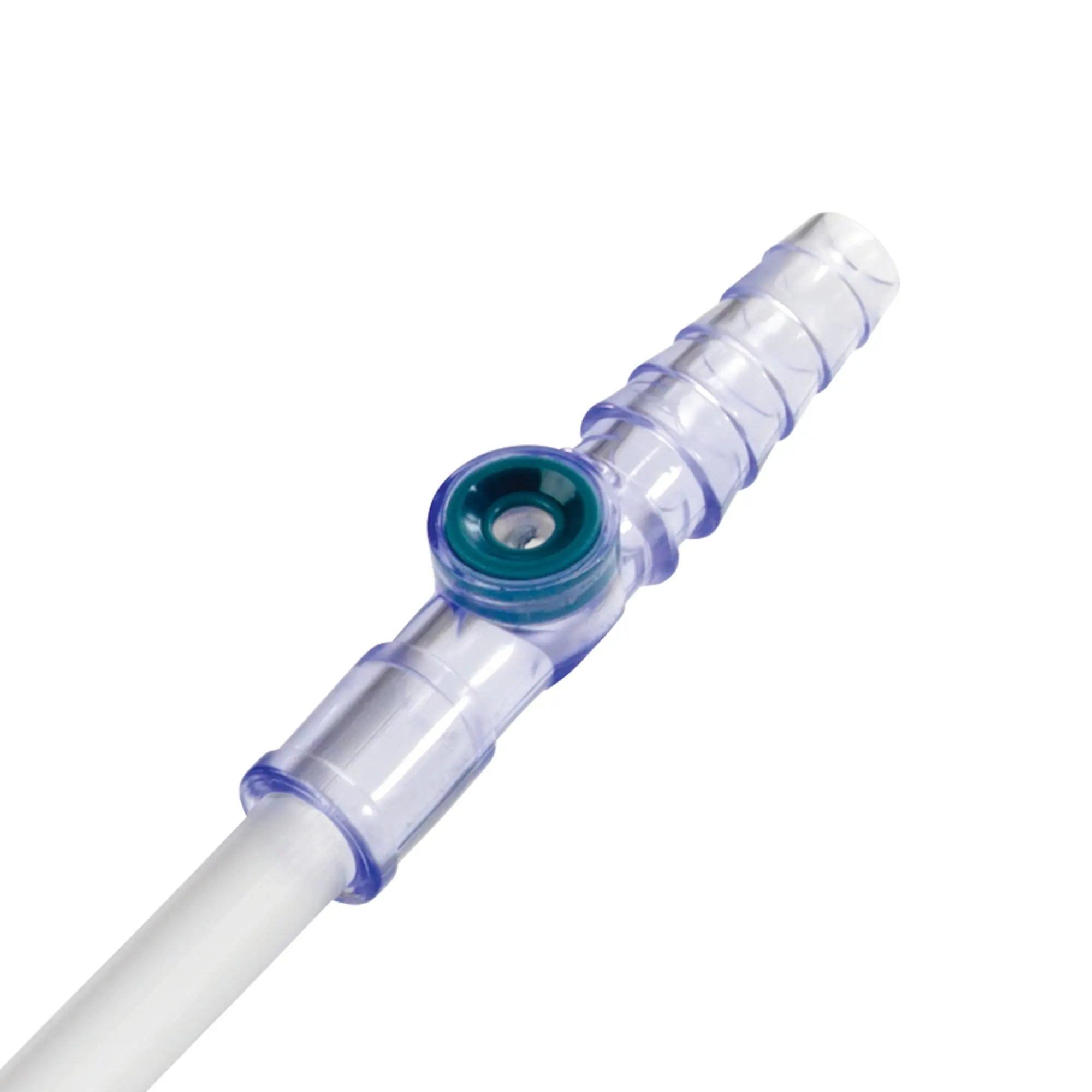
They’re little covers that go on the tap to keep it clean and protected when you’re not draining it. They help stop dust, lint, clothing fibres or bacteria getting onto/into the tubing.
Reasons to have them:
- Hygiene barrier
- Stops accidental drips from small residual drops
- Keeps the tap clean between emptying
- Reduces risk of infection from contaminated tap surfaces
Do all bags come with them?
Some do, some don’t. Often you get them with T-tap bags more commonly than lever taps – but it depends.
How they fit:
- A lever tap style spout usually has a little protective cap that pushes on like a bottle lid.
- A T-tap often uses a small rubber or plastic bung that inserts into the end of the nozzle.
Flocked - Features a soft, quick drying, velvety backing that’s gentle on the skin and reduces irritation. Ideal for long-term wear and improved comfort. Recommended for home use.
Non-Flocked - Lightweight, smooth, and easier to wipe clean and dry. This is an ideal format in clinical & hospital settings where hygiene is essential. However, it may compromise comfort when worn for extended periods.
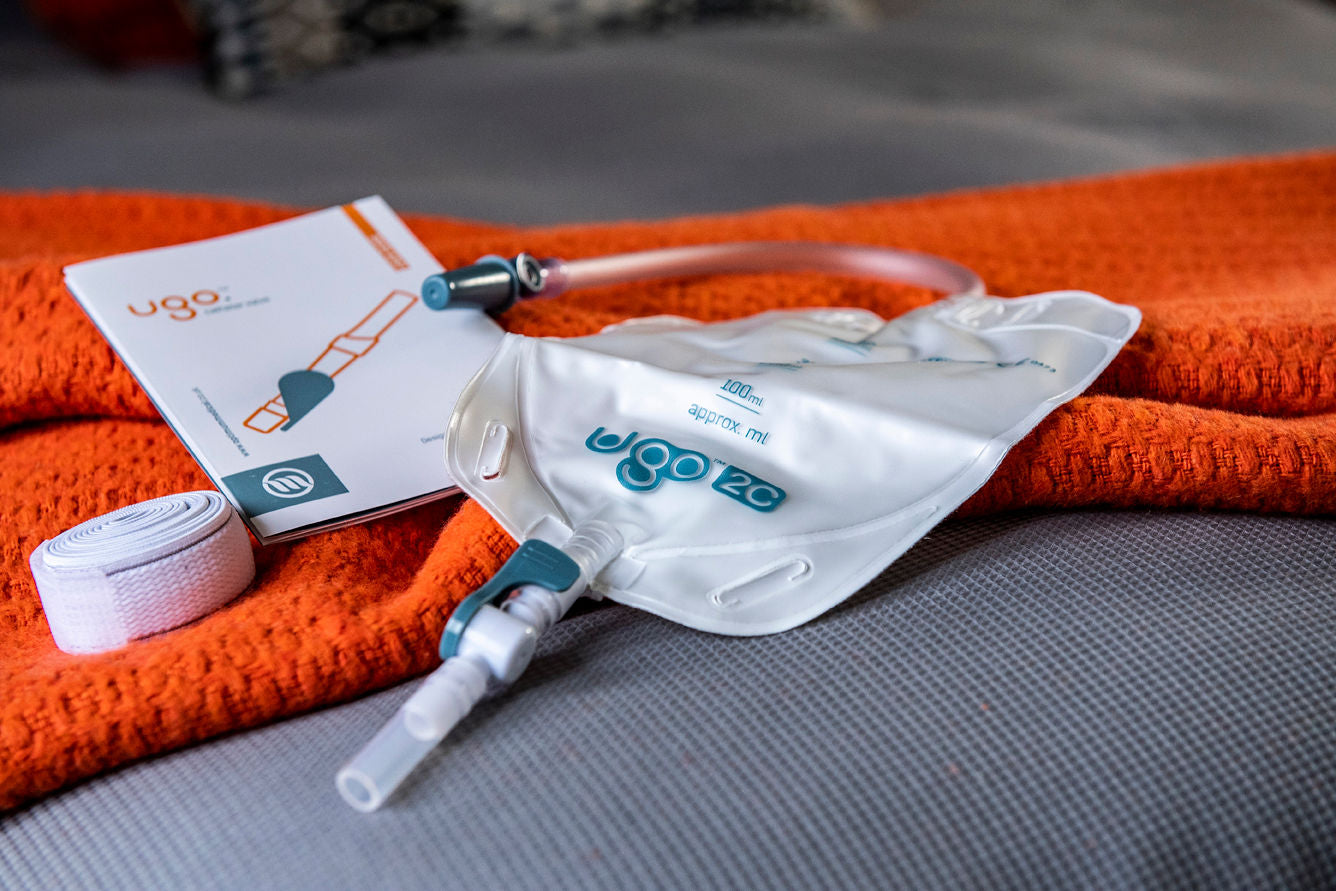
The inlet tubing is the flexible length of tubing that connects the catheter to the leg bag. It's size determines how the bag sits on your leg.
Direct Inlet - Direct inlet leg bags connect directly to the catheter with no inlet tube. This allows the leg bag to be worn in a discreet position high up on the thigh. See: Ugo Leg Bag (5C) which features the direct inlet tube.
Short Tube - Typically around 5cm in length. This size is recommended when wearing the leg bag on your thigh.
Long Tube - Usually around 25cm in length, a longer tube is recommended when users want to wear their leg bag on their calf.
Adjustable Tube - These are designed to be cut to your specific length for a perfect fit.
Shop the full leg bag range...


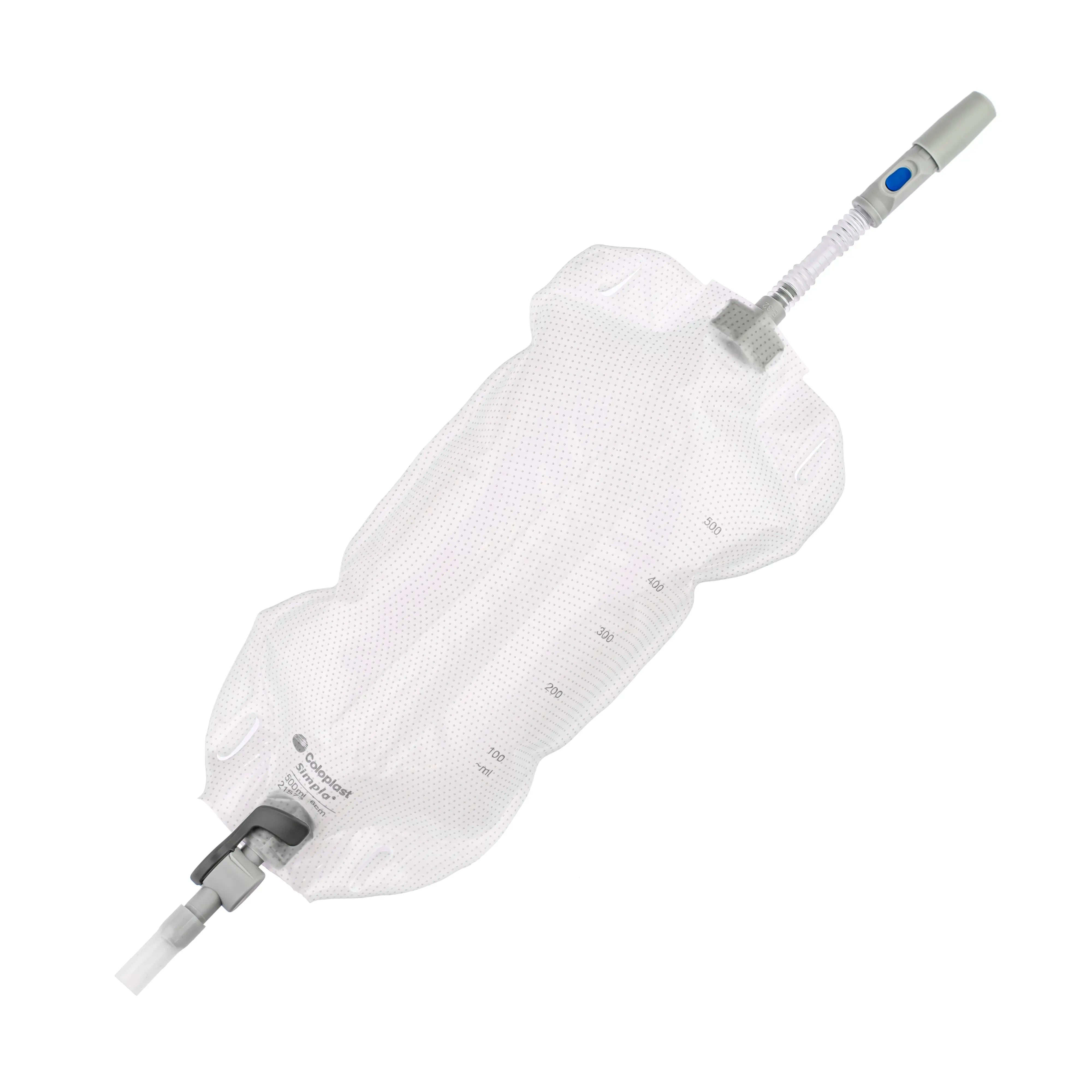
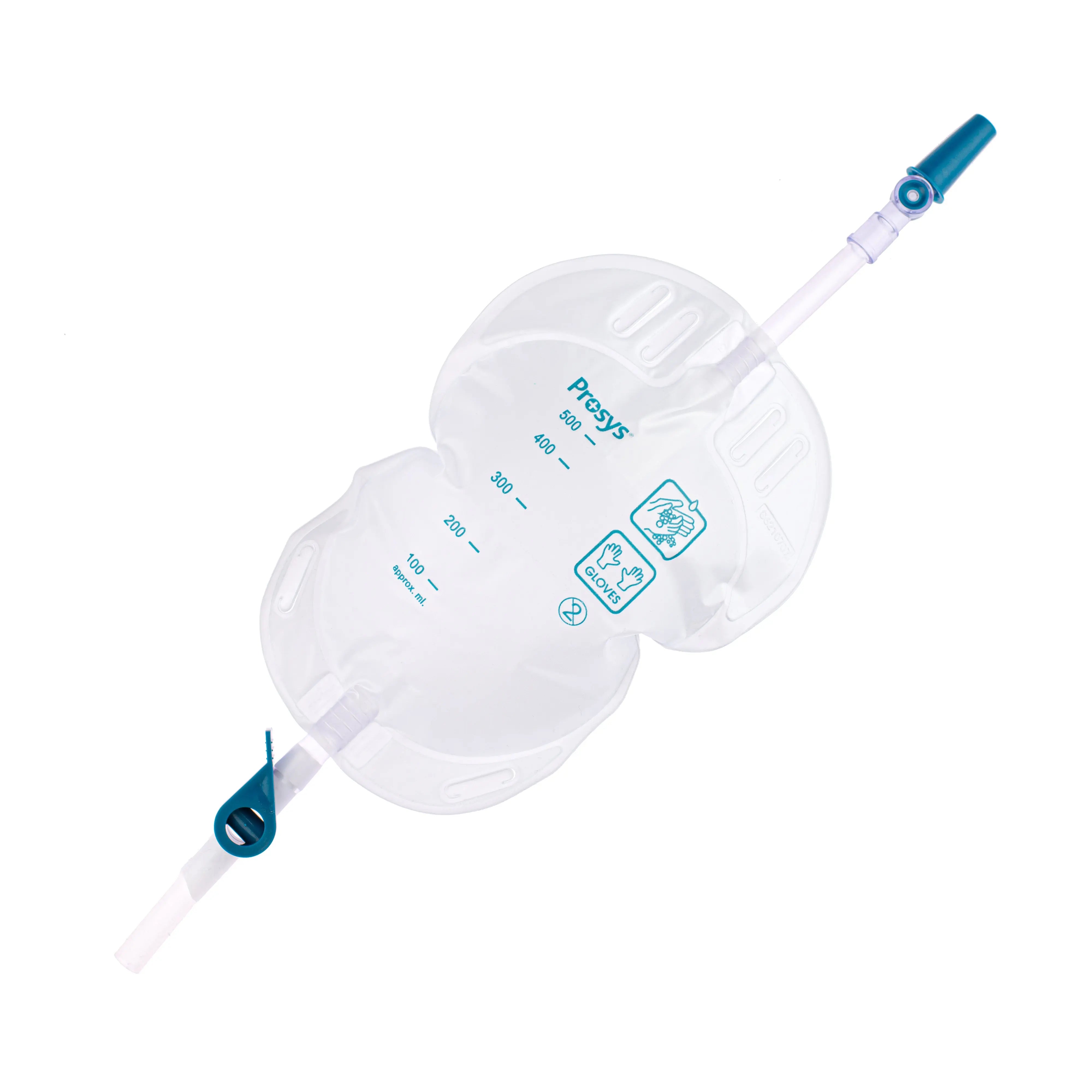
Vyne offers a wide variety of brands to choose from...





































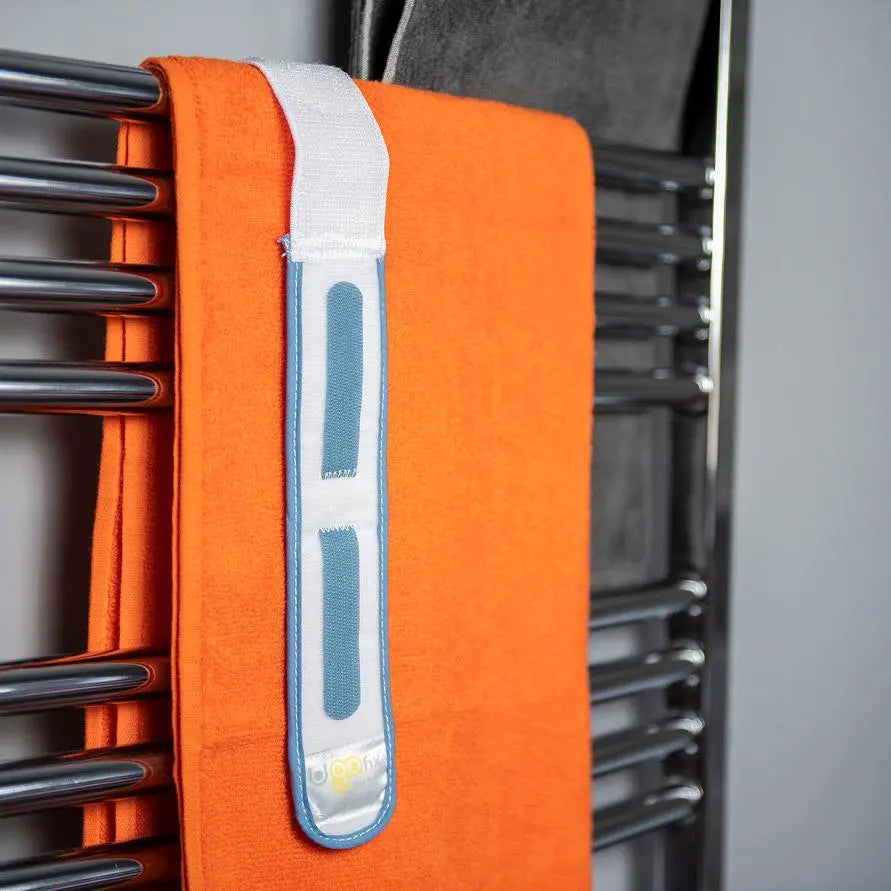
Whether you’ve had an indwelling urinary catheter for some time or have only recently been fitted with one, you may be thinking about which fixation device would best suit your needs and lifestyle.
Several factors can influence your choice – such as your daily activity level and what feels most comfortable for you. We’re here to help you find the fixation option, or combination of options, that works best for you.
Read our blog on 'Choosing the right fixation device for you' for more information.
Read what thousands of happy customers say about us...
Fabulous company. An absolute pleasure to deal with at a stressful time. Would recommend 100%.
Easy to order and very quick delivery. Excellent service.
The person I placed the order with was friendly, knowledgeable and helpful.
They went above and beyond and I'm super grateful for their great service. Highly recommended.
Fabulous company. An absolute pleasure to deal with at a stressful time. Would recommend 100%.
Easy to order and very quick delivery. Excellent service.
The person I placed the order with was friendly, knowledgeable and helpful.
They went above and beyond and I'm super grateful for their great service. Highly recommended.